Nairobi Emerges as a Leading Global Metropolis with a Diversifying Consumer Market

Nairobi is rapidly transforming into one of the world’s major metropolitan hubs. This growth is not only visible in its skyline and infrastructure but also in the expanding diversity of its consumer market. As the city attracts more residents, businesses, and investors, its economy reflects a dynamic shift that offers unique opportunities and challenges.
Nairobi’s Urban Growth and Economic Expansion
Over the past decade, Nairobi has experienced significant urban growth. The city’s population has surged, driven by migration from rural areas and neighboring countries. This influx has fueled demand for housing, transportation, and services, prompting extensive development projects.
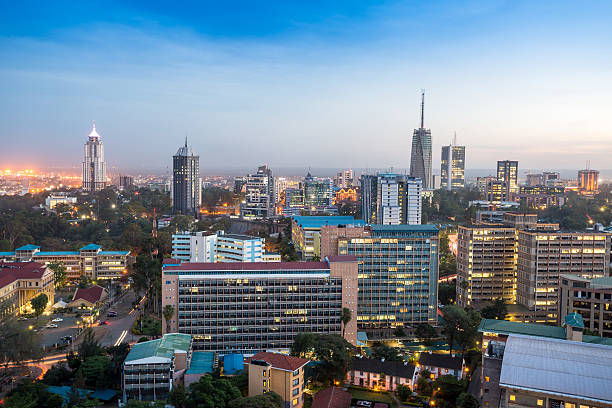
Economic activity in Nairobi is no longer limited to traditional sectors like agriculture and manufacturing. The city has become a center for finance, technology, and creative industries. For example, Nairobi hosts numerous tech startups and innovation hubs, often referred to as "Silicon Savannah." These developments attract a young, skilled workforce eager to engage with new products and services.
The Changing Face of Nairobi’s Consumer Market
The consumer market in Nairobi is becoming more diverse in terms of preferences, income levels, and cultural backgrounds. This diversity is reshaping how businesses approach their customers.
Rising Middle Class
A growing middle class with increased disposable income is driving demand for quality goods and services. This group seeks international brands alongside local products, creating a mixed market environment.
Youth Influence
Nairobi’s population is predominantly young, with over 60% under the age of 25. This demographic favors technology-driven shopping experiences, such as mobile payments and online retail, pushing businesses to innovate.
Cultural Diversity
Nairobi’s status as a regional hub attracts people from various ethnic and national backgrounds. This diversity influences consumer tastes, from food and fashion to entertainment and leisure activities.
Key Sectors Benefiting from Market Diversification
Several sectors in Nairobi are thriving due to the city’s evolving consumer landscape:
Retail and E-commerce
Retail in Nairobi has expanded beyond traditional markets and malls. Online shopping platforms have gained popularity, supported by widespread mobile phone use and improved internet access. Companies like Jumia and Kilimall offer a wide range of products, catering to different income groups.
Food and Beverage
The food scene in Nairobi reflects its multicultural population. International cuisines coexist with local favorites, and there is growing interest in organic and health-conscious options. Restaurants and food delivery services are adapting to these trends, offering diverse menus and convenient ordering systems.
Real Estate and Housing
Demand for housing has increased across all income levels. Developers are building affordable apartments for the middle class while also creating luxury residences for wealthier residents. Mixed-use developments that combine living, shopping, and entertainment spaces are becoming common.
Technology and Innovation
Nairobi’s tech sector supports the consumer market by providing digital payment solutions, mobile apps, and smart services. Innovations like M-Pesa have revolutionized how people conduct transactions, making financial services accessible to a broader population.
Challenges Facing Nairobi’s Consumer Market
Despite its growth, Nairobi faces challenges that could affect its consumer market:
Infrastructure Strain
Rapid urbanization puts pressure on roads, public transport, and utilities. Traffic congestion and unreliable power supply can disrupt business operations and consumer access.
Income Inequality
While the middle class grows, a significant portion of the population still lives in poverty. This disparity limits market potential and requires businesses to tailor products for different economic segments.
Regulatory Environment
Navigating local regulations and policies can be complex for new businesses. Clearer frameworks and support systems are needed to encourage investment and innovation.
What This Means for Businesses and Consumers
For businesses, Nairobi’s evolving consumer market offers a chance to reach new customers and expand product lines. Success depends on understanding local preferences and adapting to technological trends. Companies that combine global standards with local insights will likely thrive.
Consumers benefit from greater choice and improved services. Access to digital platforms and diverse retail options enhances convenience and quality of life. As Nairobi continues to grow, residents can expect more tailored products and innovative solutions.
Looking Ahead
Nairobi’s rise as a global metropolis with a diversifying consumer market signals a city in transition. Its economic landscape is becoming more complex and interconnected, reflecting broader social changes. Stakeholders who engage with this transformation thoughtfully will find opportunities to contribute to Nairobi’s future success.
Comentários